Dermatology, skin surgery Same-day where suitable
Keloid treatment in Dodoma
Keloids are common on African skin and respond best to early, repeated treatment. Injections, silicone and, for some, combined surgery and injections.
Flatten, soften, prevent
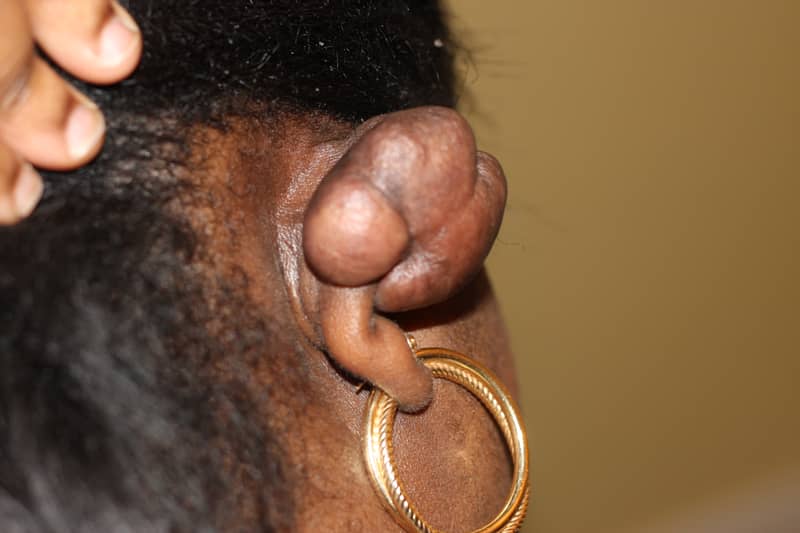
A keloid cut out on its own usually grows back larger. Steroid injections into the scar, repeated every four to six weeks, flatten and soften it; where surgery is right, it is combined with injections to stop regrowth.
How it works here
- Book a skin consultation online or on WhatsApp.
- The dermatologist examines you and writes a plan with prices.
- Treatment starts the same day where suitable.
Prices
What it costs
The consultation comes first. Treatment prices are quoted in writing before anything starts, and nothing is added later.
Start here
Initial consultation
Examination, diagnosis and a written plan.
Ask for today’s price
Ask on WhatsApp- Specialist dermatologist
- Set for African skin
- Written plan and prices
- Mobile money, cards or cash
What is keloid and scar treatment?
A keloid is a scar that keeps growing beyond the original wound, often after piercings, acne, surgery, burns or vaccinations. It is firm, raised, shiny and often itchy or painful. The earlobes, chest, shoulders and jawline are the commonest sites.
People with deeper skin form keloids several times more often, and the tendency runs in families. A hypertrophic scar is similar but stays within the wound and often settles on its own.
Why treat it
Medical reasons
Keloids itch, hurt and restrict movement over joints, and they keep growing. Early treatment is far more effective than treatment of a large, old keloid.
Confidence and comfort
Flattened, softened and lighter scars that no longer draw the eye.
The process
From assessment to results
The dermatologist confirms it is a keloid, measures it and photographs it, and asks about earlier scars and family history.
A course, usually:
- Steroid injections into the scar every four to six weeks
- Silicone gel or sheets between visits
- Cryotherapy for small keloids
- Excision combined with injections for earlobe and selected keloids
Injections sting briefly and the scar may be tender for a day. Flattening is visible after two or three sessions.
Flatter, softer, less itchy scars over three to six sessions. Reviews continue for a year after surgery to catch any regrowth early.
Assessment
The dermatologist confirms it is a keloid, measures it and photographs it, and asks about earlier scars and family history.
Treatment
A course, usually:
- Steroid injections into the scar every four to six weeks
- Silicone gel or sheets between visits
- Cryotherapy for small keloids
- Excision combined with injections for earlobe and selected keloids
Recovery
Injections sting briefly and the scar may be tender for a day. Flattening is visible after two or three sessions.
Results
Flatter, softer, less itchy scars over three to six sessions. Reviews continue for a year after surgery to catch any regrowth early.
Who treats you
Your dermatologist
Can a keloid be cut out?
Only with injections or other treatment alongside; surgery alone makes most keloids worse.
How many injections will I need?
Usually three to six, four to six weeks apart.
Will the keloid go completely?
It flattens and softens; a faint mark usually remains. Our aim is comfort and a scar that no longer stands out.
I want my ears pierced. Can I prevent a keloid?
If you or your family form keloids, talk to us first. Pressure earrings and early treatment of any thickening reduce the risk.
Does the injection hurt?
Briefly. Numbing cream can be applied first.
Before you book
What you can expect from us
- You are examined by the dermatologist, not a technician.
- A written plan and prices before any treatment.
- Equipment and settings chosen for deeper skin tones.
- Your record and photos stay in your TDCW file, seen only by your care team.
- A review visit is part of every plan.
- No skin-bleaching products, ever.
Read more
From the dermatologist
14 September 2026
Why acne leaves dark marks on African skin, and how to fade them
The spots go, the marks stay. Here is what is happening in the skin and what works.
Read26 August 2026
Is laser hair removal safe on dark skin?
It is, with the right laser and the right settings. Here is how to tell the difference.
Read30 July 2026
When should a mole be checked?
Most moles are harmless. A few need looking at, and the signs are easy to learn.
ReadRelated
Other skin treatments
Skin surgery
Mole removal
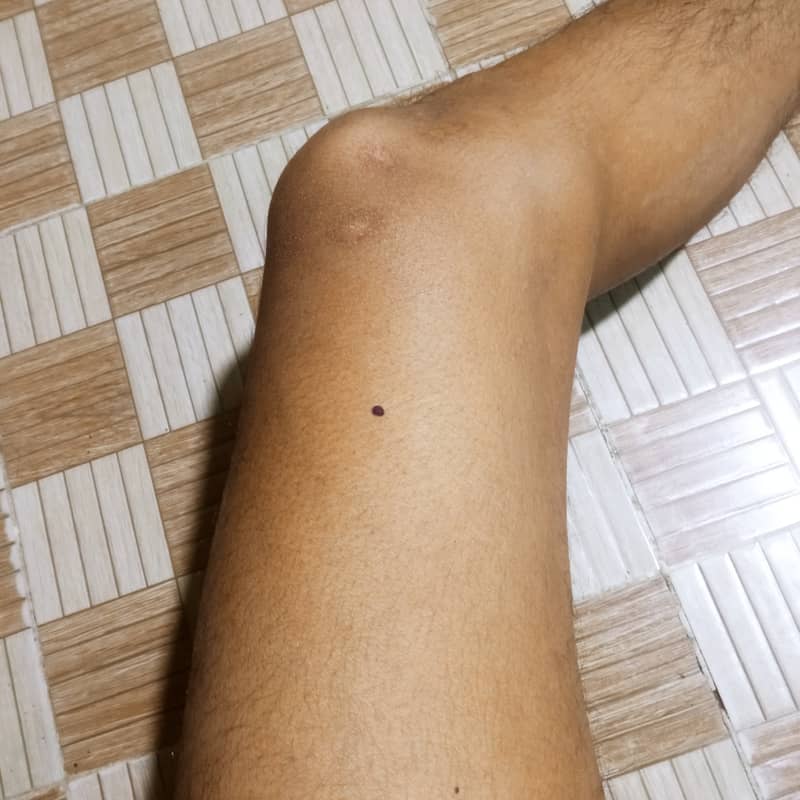
Moles checked with a dermatoscope and removed the same day where suitable.
Skin surgery
Cyst and lesion excision
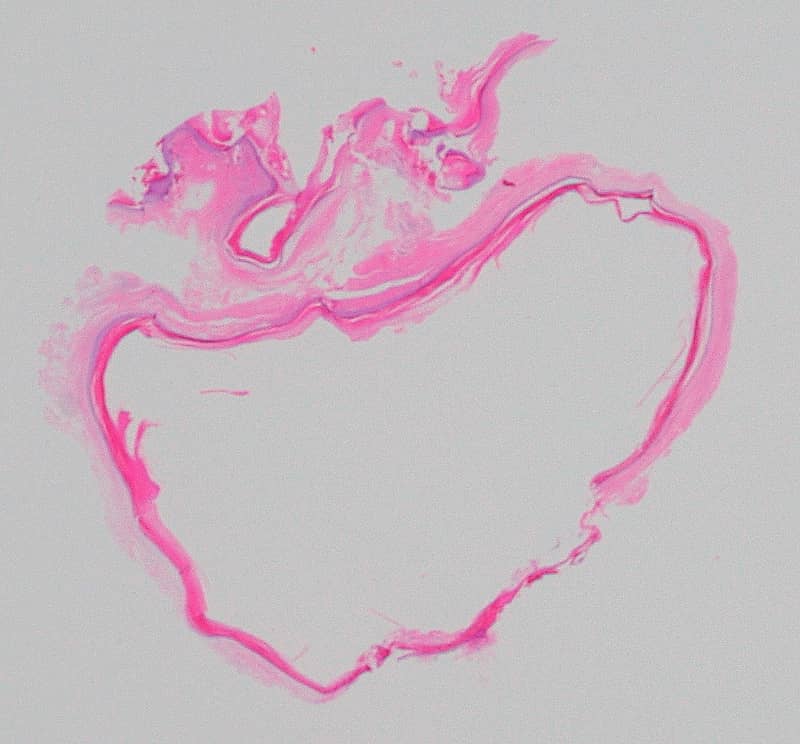
Cysts, lipomas and skin lumps removed cleanly, under local anaesthetic.
Skin surgery
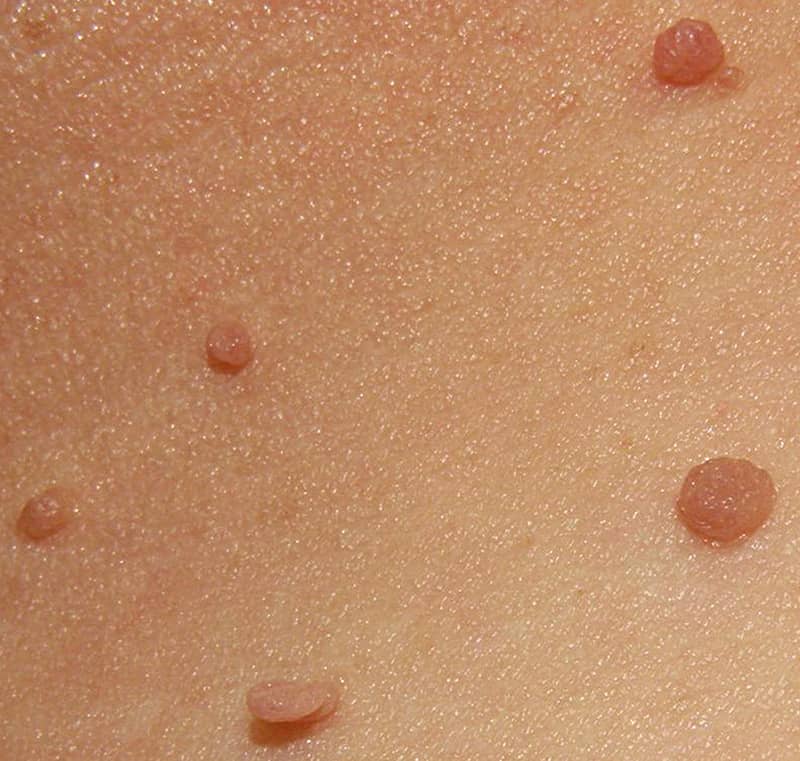
Skin tags and warts
Skin tags, warts and small growths removed in minutes by cryotherapy or cautery.
Skin surgery
Skin biopsy and mole mapping
A small sample when a diagnosis needs the microscope, and documented mole checks.
Medical dermatology
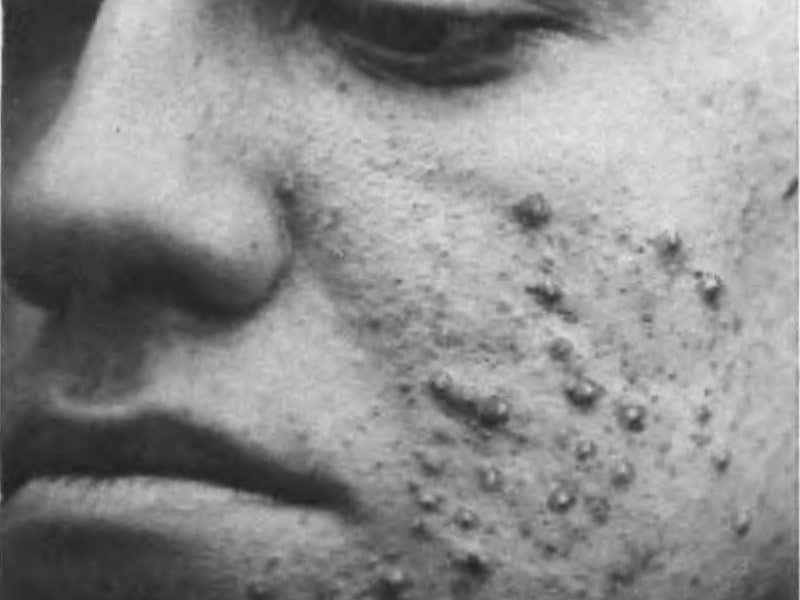
Acne
Clearer skin, and scars prevented, with a plan matched to your skin.
Medical dermatology
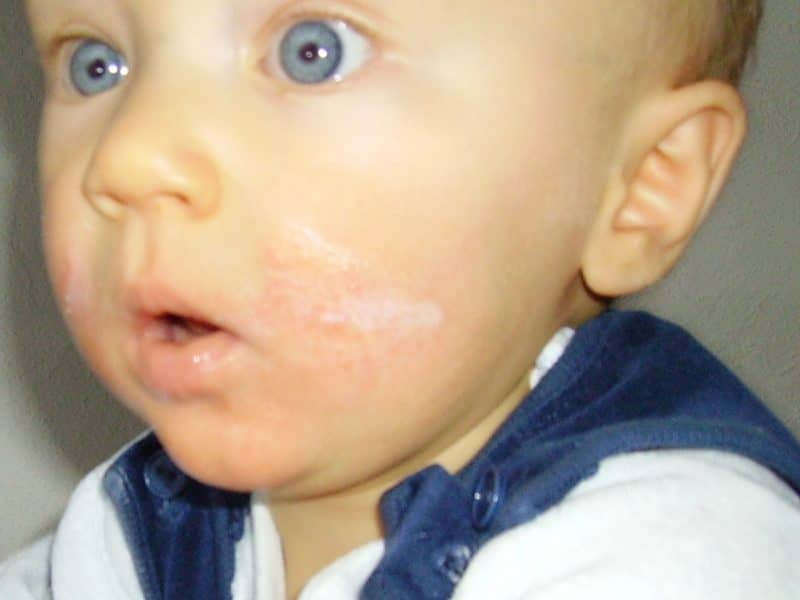
Eczema and dermatitis
Lasting relief for dry, itchy, inflamed skin, in children and adults.
Book keloid and scar treatment in Dodoma
Book online in two minutes, or message us on WhatsApp and we will do it for you.